


The lumbar spine is the part of the back that carries the heaviest loads.It supports a person's body weight and all the weights they lift during the day.That is why the strength of the muscle corset in the lower back and its health are so important for the life and mobility of every person.If your lower back hurts, you need to understand the causes of the pain in order to find effective remedies to eliminate it.
To understand what to do if your back hurts in the lumbar region, you first need to figure out why this happened.This is best done with the help of a qualified specialist who, based on all the symptoms, can determine the cause of the dysfunction of the lumbar spine and prescribe effective treatment.
Lower back pain cannot be tolerated;This can have very serious implications for a person's future mobility.Experts also advise against trying to fix the problem yourself, as this can significantly worsen the situation.
The spine is a complex system consisting of many interconnected elements.The harmonious functioning of each one of them ensures good mobility of the entire body.
Even if the lower back hurts not constantly, but from time to time, you should not think that the pain will go away on its own.Painful sensations are always a syndrome that indicates the presence of a disorder.Ignoring it means allowing the disease to develop and progress.
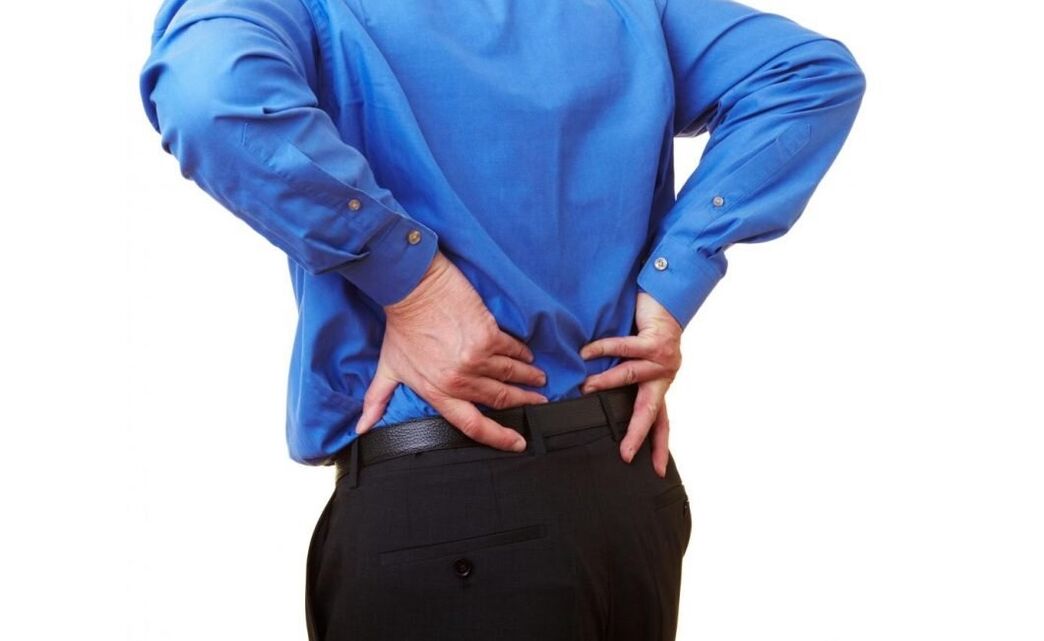
Causes of lower back pain
Considering all the possible causes that can cause pain in the lumbar region will help you better understand what to do next.Most commonly, lower back pain can have the following causes:
- Diseases of the spine - scoliosis, osteochondrosis, osteoporosis, spondylosis;
- pinched nerves;
- intervertebral hernia;
- excessive load on the spine;
- hypothermia or cold in the lower back;
- passive lifestyle, poor blood circulation in the back;
- Diseases of the internal organs in the lumbar region;
- Pain during pregnancy.
Very rarely, lower back pain occurs separately from other symptoms and is not accompanied by other manifestations.Most often, a person feels additional disruptions or changes in body functioning.Based on the type of pain and the accompanying symptoms, the doctor can determine the cause and prescribe further action.
For example, if severe acute pain is accompanied by frequent urge to urinate, this may indicate renal colic.It is a sign of the development of urolithiasis in the body.
It is very important to tell the specialist in detail when the lower back pain first began to bother you and how exactly the discomfort in the back manifests itself so that the doctor can understand the problem and prescribe what to do next.
How to alleviate the condition
If your lower back hurts, you should definitely consult a neurologist.Especially if the painful sensations do not go away for several days and increase with movement or physical activity.Treatment of problems in the lumbar region often involves the use of medications that relieve inflammation and restore spinal function.In some cases, the use of painkillers is necessary to relieve muscle spasms and understand the root causes of the condition.
Other ways to relieve lower back pain include:
- physiotherapeutic procedures;
- massage or manual therapy;
- taking vitamins and calcium to restore bone density;
- therapeutic exercises.
Physical exercises are most often used to treat lower back pain, as gymnastics allows you to quickly and effectively solve the problem.For each individual case, the doctor may prescribe a different set of exercises that are most suitable for the treatment of a particular disease.The most important rule for the patient is to do everything as the specialist said and follow all the recommendations to ensure a speedy recovery.
The newest method for treating back diseases is acupuncture, which is performed according to ancient Chinese traditions.This method allows you to eliminate muscle spasms, activate blood circulation and normalize the activity of the spine.In rare cases of advanced disease, the doctor will prescribe surgery to eliminate the problem in the lower back.
After the operation, the patient is prescribed therapeutic and prophylactic exercises, the main purpose of which is to restore comfortable functioning of the lower back.However, it must be carried out under the supervision and strict supervision of a doctor in order to gradually restore activity and strength to the muscles.If pain recurs, exercise should be stopped.Often the postoperative period is accompanied by taking vitamins or nutritional supplements to help the body recover from illness.
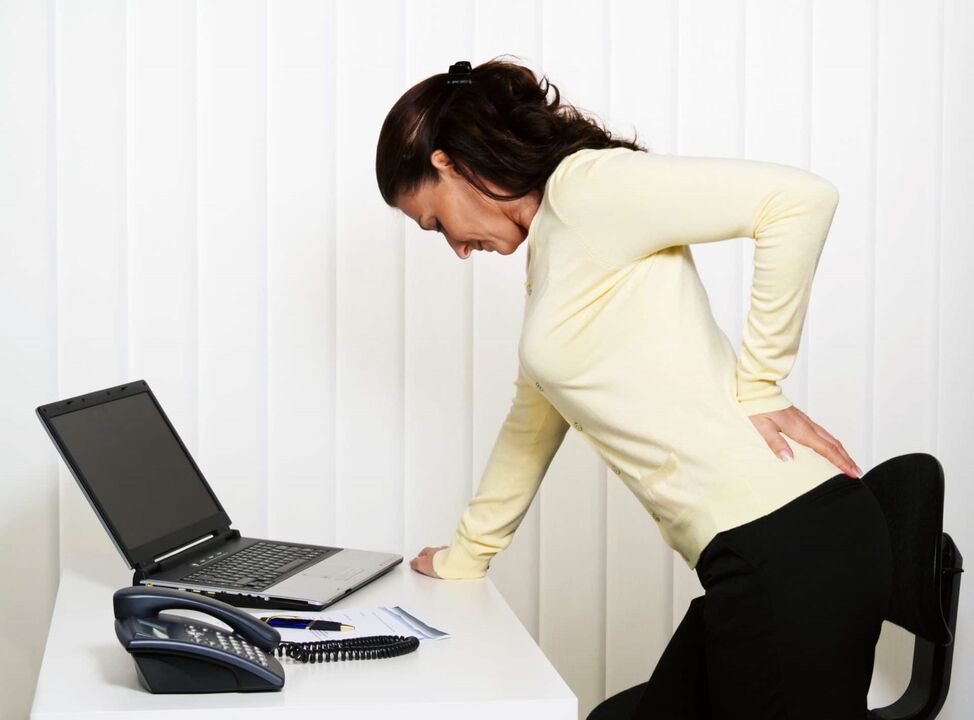
Prevention of lower back diseases
If you experience back pain, the first thing you should do is see a doctor.However, it is much easier to ensure that the pain never bothers you.To do this, you need to follow a few simple rules that can be called a healthy lifestyle.
Firstly, moderate but regular physical activity is the key to a strong muscular corset of the back, which makes carrying weights and loads increasingly easier.
Secondly, proper nutrition rich in vitamins and microelements allows all organs and parts of the body, especially the spine, to be strong and function normally for many years.
Thirdly, a comfortable place to sleep and an orthopedic mattress that ensures the correct distribution of body weight when sleeping or resting.
When you start training, you need to gradually increase the load and number of exercises so that the muscles get used to the work.You can do any sport that you enjoy: running, fitness, swimming and even walking in the fresh air will bring noticeable benefits to your body.If you take care of yourself and your body, you can forget about any pain for a long time.